Altitude Effects on Ball Trajectories and Endurance Metrics in High-Elevation Soccer Fixtures Alongside Baseball Contests at Mountain Venues
Written by Blake Klein · Jun 14, 2026
Altitude Effects on Ball Trajectories and Endurance Metrics in High-Elevation Soccer Fixtures Alongside Baseball Contests at Mountain Venues
High-altitude venues create distinct conditions for both soccer and baseball because reduced air density alters how balls move through the air while simultaneously challenging athletes' oxygen uptake and sustained effort. Observers note that these factors combine to shift performance patterns in measurable ways across fixtures played above 1500 meters.
Ball Trajectory Shifts in Soccer Matches
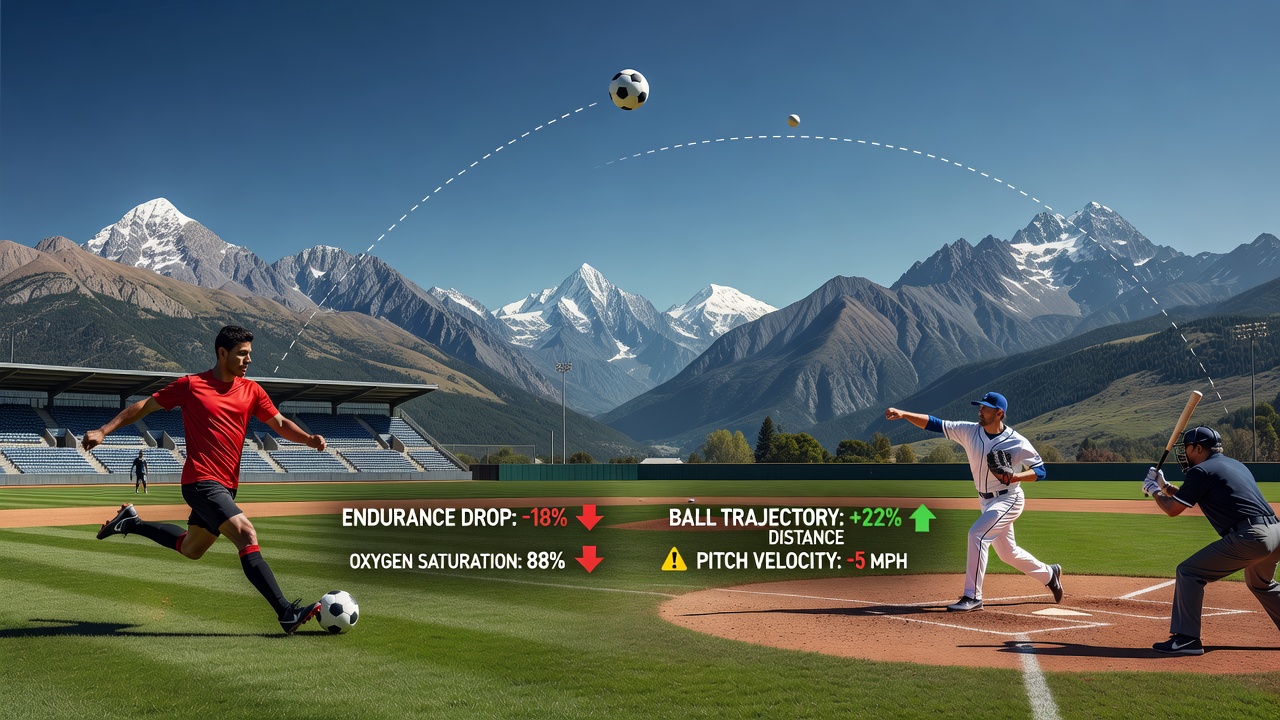
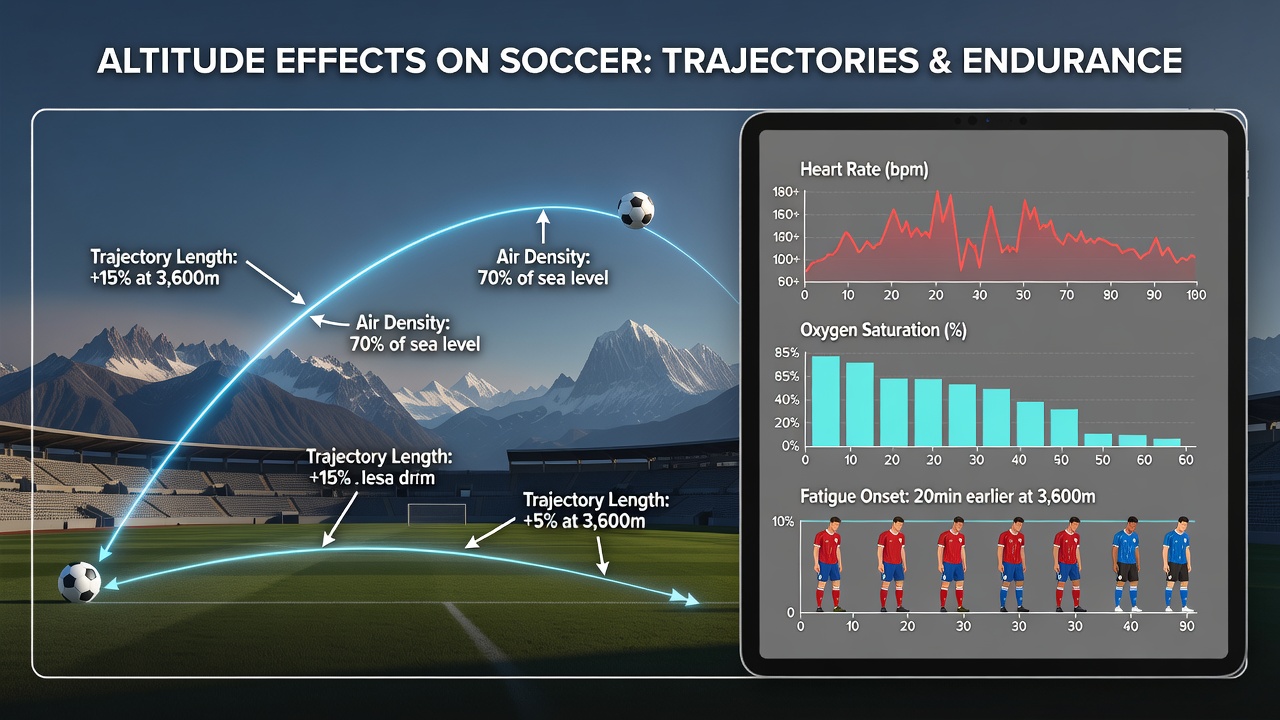
Thinner air at elevation decreases aerodynamic drag on the soccer ball so passes and shots travel farther and faster than they would at sea level, and this change becomes noticeable once venues exceed 2500 meters where atmospheric pressure drops by roughly 20 percent. Data from matches in La Paz shows that long-range strikes reach the net with greater frequency because the ball loses less speed over distance while goalkeepers face altered flight paths that reduce reaction windows. Researchers tracking possession flows at these sites report increased emphasis on aerial deliveries and reduced reliance on short ground combinations since the ball skips more readily across the surface.
Endurance Demands During Soccer Fixtures
Lower oxygen availability forces players to operate at higher percentages of their maximum heart rate which accelerates fatigue and lengthens recovery intervals between high-intensity bursts, and studies tracking elite squads document average distance covered dropping by 5 to 8 percent after the 60-minute mark in games held above 3000 meters. Teams adapt by rotating midfielders more frequently and adjusting pressing triggers to conserve energy while medical staff monitor blood oxygen saturation levels throughout the contest. International calendars scheduled for June 2026 include several high-elevation qualifiers where such adjustments will influence substitution patterns and tactical setups.
Baseball Performance at Mountain Parks
Coors Field in Denver sits at 1609 meters and produces the most pronounced trajectory changes in Major League Baseball because batted balls carry approximately 10 to 15 percent farther than at comparable sea-level parks according to tracking data compiled over multiple seasons. Home-run rates at the venue consistently exceed league averages by 25 percent or more while pitchers adjust release points and pitch mixes to compensate for reduced movement on breaking balls. Outfielders reposition deeper because fly balls hang longer in the thinner air and defensive shifts reflect these altered landing zones.
Endurance metrics in baseball differ from soccer because the sport involves intermittent bursts rather than continuous running yet altitude still reduces sprint recovery and affects arm strength over nine innings. Pitchers at mountain venues record slightly lower velocity readings after the fifth inning compared with sea-level outings and bullpen usage increases accordingly. Statistical models from the University of Colorado Boulder illustrate how cumulative fatigue compounds these effects across series played at elevation.
Comparative Patterns Across Both Sports
Both soccer and baseball exhibit parallel trajectory advantages for offensive actions at altitude while endurance constraints appear more acute in soccer because of its continuous movement demands. Analysts comparing datasets from South American qualifiers and National League contests find that offensive output rises in both contexts but defensive positioning and substitution frequency diverge based on sport-specific rules. Preparations ahead of June 2026 events will likely incorporate altitude simulation chambers to prepare athletes for these combined challenges.
Measurement Techniques and Ongoing Research
Modern tracking systems capture precise ball velocities and player workloads at elevation allowing teams to quantify the exact percentage changes in trajectory and stamina metrics. Research from the Australian Institute of Sport has examined how acclimatization periods of 10 to 14 days mitigate some endurance declines yet trajectory effects remain constant regardless of adaptation time. These findings guide schedule planning and training protocols for clubs that travel regularly between low and high venues.
Conclusion
Altitude consistently modifies ball behavior and physiological output in both soccer and baseball at mountain sites creating predictable shifts that teams address through tactical and training adjustments. Continued data collection from upcoming fixtures will refine these understandings and support evidence-based preparation for athletes competing at elevation.