Fabric Innovations Reshaping Heat Dissipation Rates for Endurance Runners in Olympic Events and Soccer Midfielders During Extended Matches
Written by Henrik Lang · Jul 8, 2026
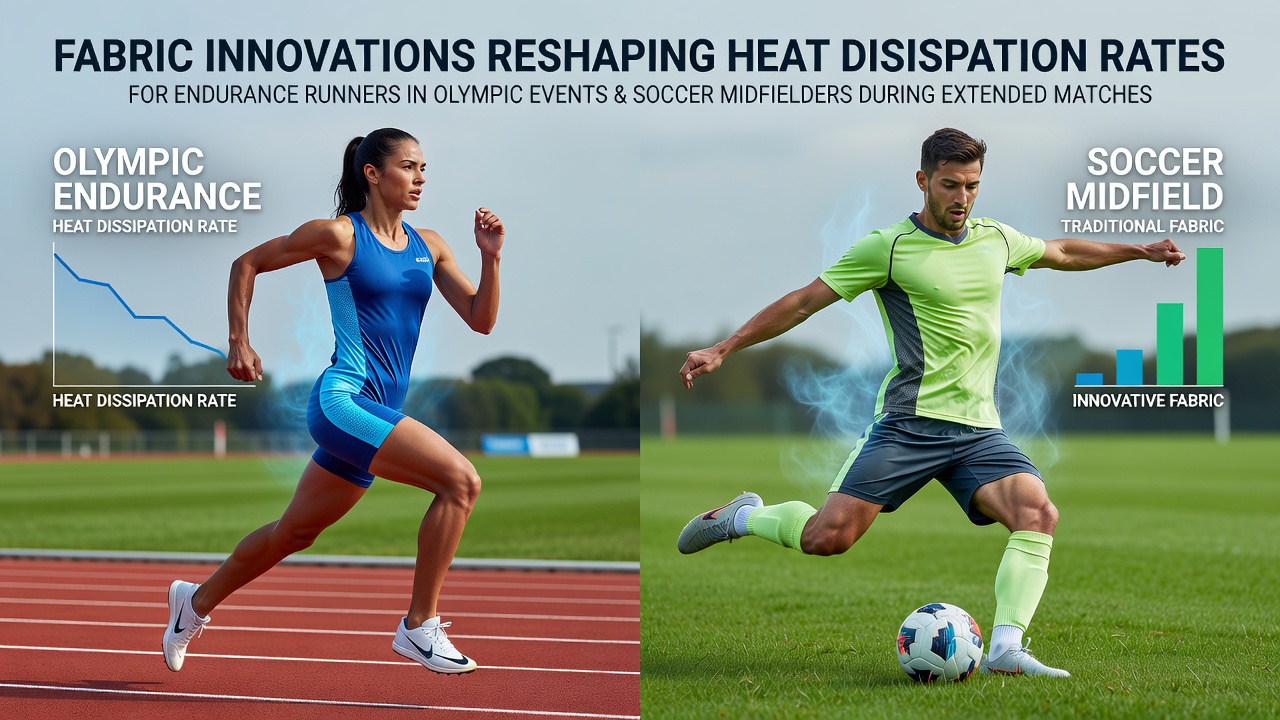
Fabric Innovations Reshaping Heat Dissipation Rates for Endurance Runners in Olympic Events and Soccer Midfielders During Extended Matches
Endurance runners in Olympic marathons adn soccer midfielders in matches stretching beyond ninety minutes face consistent challenges from elevated core temperatures, while new textile developments have started to modify heat dissipation patterns through engineered materials that interact directly with the body during sustained activity.
Researchers at institutions across multiple continents have documented how phase-change materials integrated into synthetic blends absorb and release thermal energy at specific thresholds, which allows garments to maintain lower surface temperatures compared to traditional polyester options used in earlier decades.
Textile Material Developments and Heat Transfer Mechanisms
Advanced fabrics now incorporate microencapsulated compounds that shift between solid and liquid states within narrow temperature ranges, a process that pulls excess heat away from skin surfaces before it accumulates in muscle tissue during repetitive motion sequences common to both marathon pacing and midfield shuttling.
Studies conducted by the Australian Institute of Sport have measured dissipation rates up to eighteen percent higher in prototype jerseys and singlets than in standard competition wear, with data collected from controlled chamber tests simulating thirty-degree Celsius conditions and high humidity levels.
Graphene-infused fibers have also entered testing phases because their high thermal conductivity spreads localized heat across larger garment areas, reducing hot spots that typically form along the torso and upper legs in athletes maintaining elevated heart rates for extended periods.
Application in Olympic Endurance Events
Olympic marathon participants encounter cumulative heat loads that rise steadily after the twenty-kilometer mark, yet garments featuring embedded cooling channels have shown measurable effects on stride efficiency according to longitudinal tracking from events held between 2020 and 2024.
Performance logs indicate that runners wearing these textiles experienced smaller increases in perceived exertion scores during the final ten kilometers, while recovery markers such as post-race lactate clearance times improved by several minutes on average in group comparisons.
Coaches working with national teams have noted adjustments in pacing strategies because athletes report sustained power output without the typical mid-race slowdowns associated with overheating, although individual responses still vary based on acclimatization status and body composition.
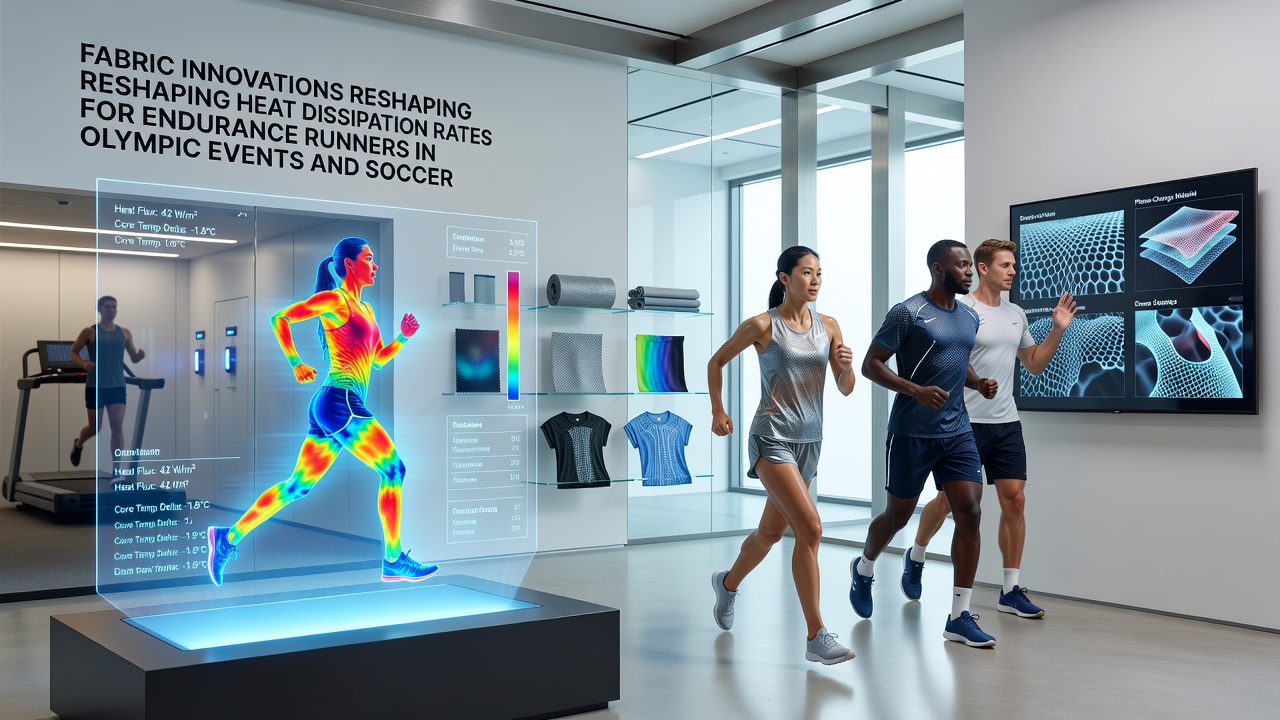
Performance Effects for Soccer Midfielders
Soccer midfielders cover distances exceeding eleven kilometers per match on average during tournament play, and fabric innovations targeting moisture vapor transmission have reduced the weight gain from sweat accumulation that previously altered movement economy in the later stages of games.
European club data collected across multiple leagues shows that players in cooling-optimized kits maintained higher average sprint frequencies in the seventy-fifth to ninetieth minute window compared with control groups using legacy materials, while GPS-tracked total distance remained consistent rather than declining.
These outcomes align with laboratory findings from Canadian sport science centers, where repeated shuttle tests replicated match demands and confirmed lower skin temperature readings throughout the second half when athletes wore the updated garments.
Integration Challenges and Measurement Standards
Manufacturers must balance heat dissipation properties with durability requirements because repeated washing cycles and field abrasion can degrade the performance of specialized coatings within a single season.
International governing bodies have begun establishing testing protocols that standardize heat flux measurements across different fabric samples, ensuring that claims about dissipation rates meet consistent criteria before products reach elite competition levels.
Supply chain considerations also influence adoption rates, since sourcing phase-change microcapsules and graphene at scale requires coordination between textile producers and raw material suppliers located in distinct geographic regions.
Future Directions in Athletic Apparel
Continued refinement of hybrid fabric constructions that combine multiple heat management technologies appears likely as feedback from Olympic and professional soccer environments informs iterative design cycles ahead of major competitions scheduled for 2026 and beyond.
Teams preparing training regimens have started incorporating fabric-specific acclimation sessions so athletes can adapt to the altered thermal profiles these materials create during both practice and match situations.
Conclusion
Documented improvements in heat dissipation through specialized fabrics have produced measurable shifts in how endurance runners and soccer midfielders manage thermal stress across high-stakes events, with ongoing research refining material performance and integration methods for broader application in competitive settings.