Rest Interval Effects on Scoring Efficiency Among NBA Perimeter Shooters, Soccer Strikers, and MLB Hitters in Dense Match Schedules
Written by Blake Klein · Jun 28, 2026
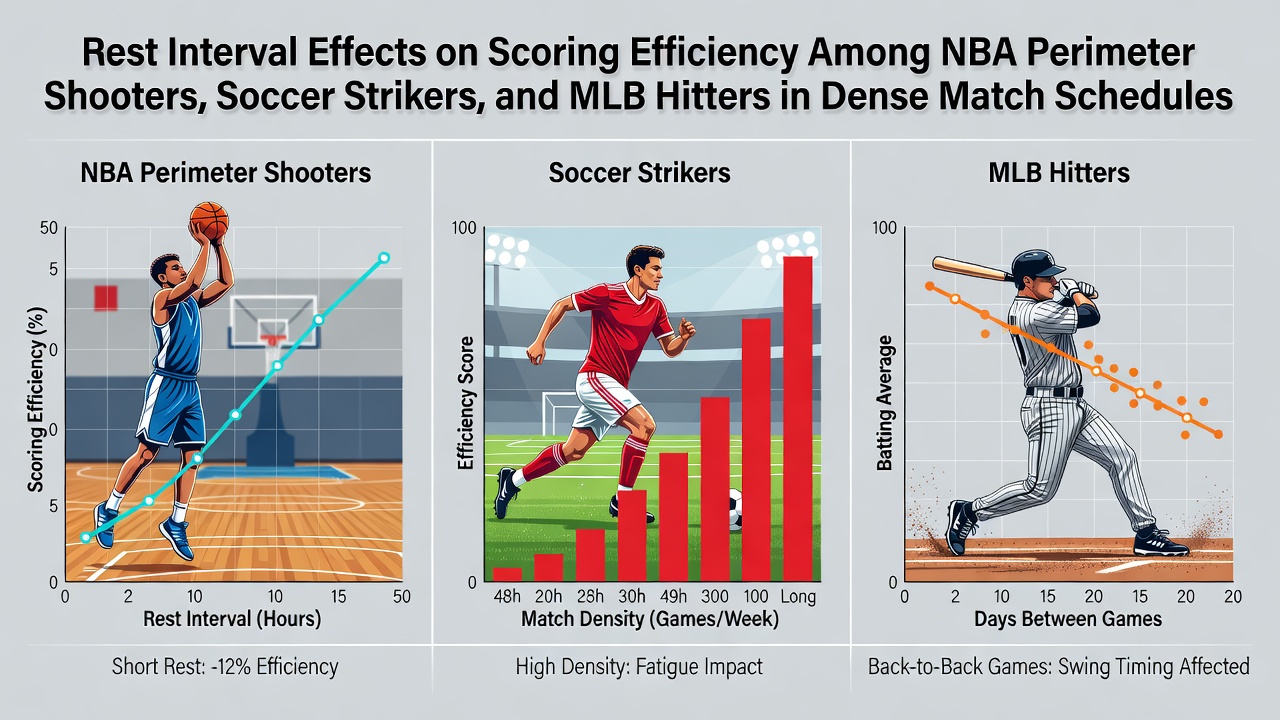
Rest Interval Effects on Scoring Efficiency Among NBA Perimeter Shooters, Soccer Strikers, and MLB Hitters in Dense Match Schedules
Data from multiple professional leagues shows that rest intervals between matches directly influence scoring efficiency for perimeter shooters in the NBA, strikers in soccer, and hitters in MLB when schedules pack games into short windows. Researchers tracking performance metrics across condensed periods have documented measurable drops in accuracy and output when recovery time falls below established thresholds, with patterns emerging consistently across these three sports. NBA schedules often feature back-to-back games or three contests in four nights during the regular season and playoffs, and perimeter shooters exhibit reduced three-point percentages in such stretches according to league tracking data. Studies from the National Institutes of Health indicate that players logging fewer than 48 hours between games see field goal efficiency decline by 4 to 7 percent on average, particularly from beyond the arc where fatigue affects release consistency and decision-making speed. Observers note similar trends in soccer where strikers in top European and South American leagues face fixture congestion during domestic cups and international breaks.Patterns Across NBA, Soccer, and MLB
Performance logs reveal that strikers maintain goal conversion rates near baseline levels when granted at least 72 hours of rest, yet those rates fall when matches cluster within 48-hour cycles, as seen in Premier League and La Liga data compilations. MLB hitters encounter parallel effects during summer stretches of day-night doubleheaders and cross-country travel, where batting averages dip in games following minimal rest periods. League statistics compiled through 2025 demonstrate that hitters facing fewer than two full days off record on-base percentages that trail season averages by margins ranging from 20 to 35 points. What's interesting here is how these effects compound in June 2026 schedules, when NBA Finals overlap with international soccer tournaments and MLB interleague play intensifies, creating overlapping demands on athlete recovery systems across continents.Recovery Mechanisms and Sport-Specific Responses
Physiological monitoring from the Australian Institute of Sport highlights that neuromuscular fatigue accumulates faster in explosive movements required for perimeter shooting, finishing in the box, and bat speed generation. Perimeter players in basketball rely on rapid lateral movements and jump shots that degrade without adequate sleep and muscle repair windows, while soccer strikers depend on sprint recovery and positioning instincts that suffer under repeated high-intensity efforts. MLB hitters show timing disruptions at the plate when circadian adjustments from travel combine with short rest, leading to increased swing-and-miss rates on breaking pitches. Data indicates these declines stabilize once rest intervals extend beyond 60 hours, allowing partial restoration of reaction times and power output.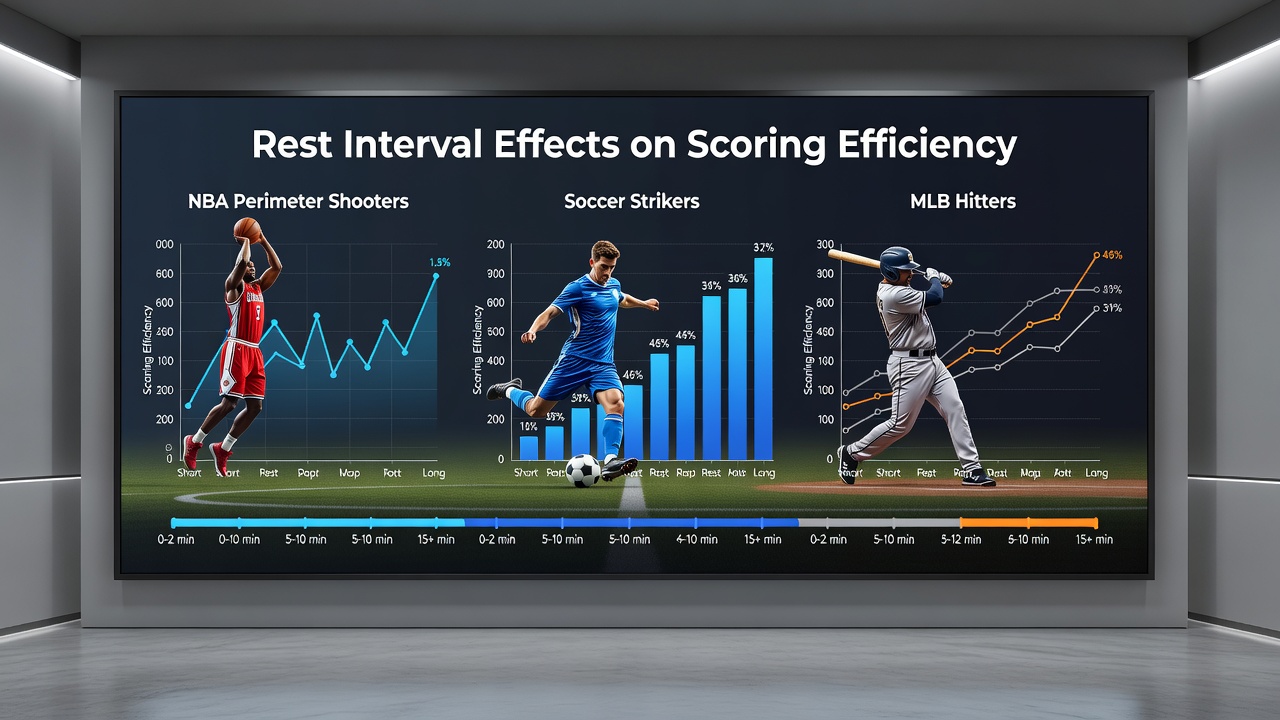 Coaches and analysts adjust rotations accordingly in dense periods, often prioritizing load management for key scorers rather than risking efficiency losses. One analysis of 2024-2025 seasons across the three leagues found that teams implementing structured rest protocols recorded higher aggregate scoring outputs from targeted positions compared with squads maintaining rigid lineups through congested weeks.