Stadium Acoustics Reshaping Quarterback Signals, Point Guard Directives, and Goalkeeper Distributions During Peak Attendance
Written by Finley Butler · Jul 12, 2026
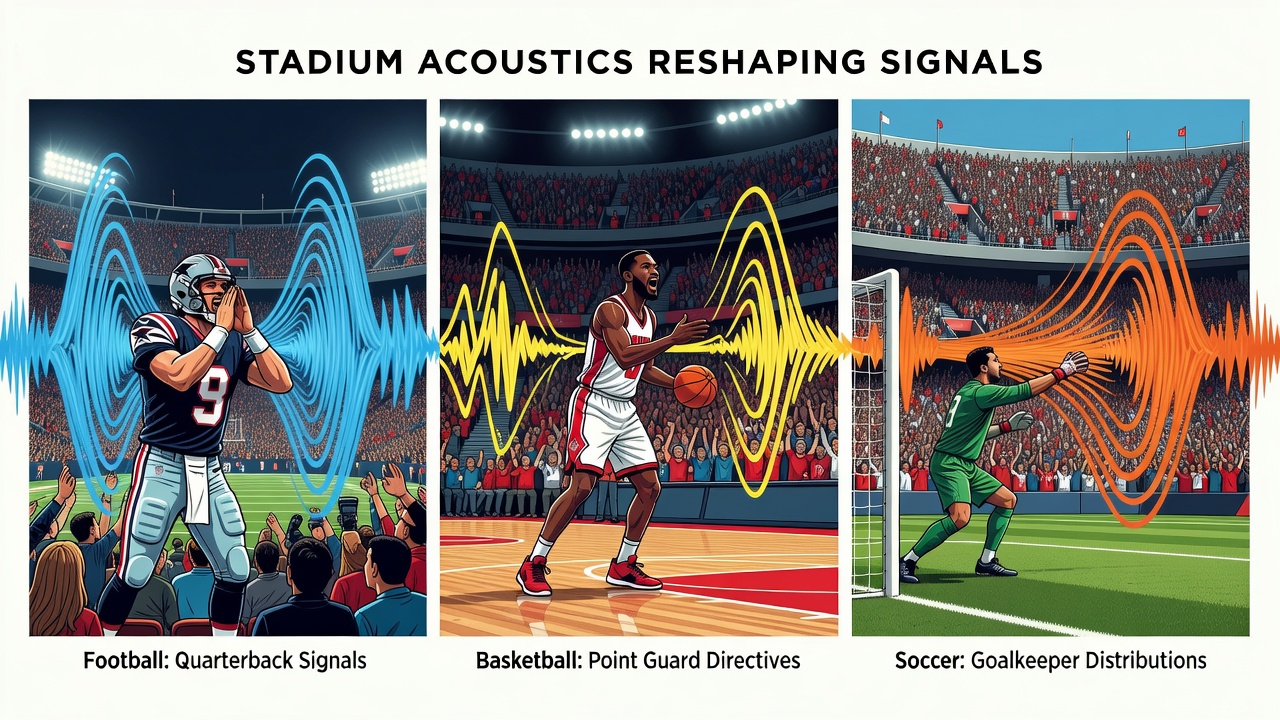
Stadium Acoustics Reshaping Quarterback Signals, Point Guard Directives, and Goalkeeper Distributions During Peak Attendance
Stadium acoustics create measurable challenges for on-field communication when attendance reaches capacity across American football, basketball, and soccer venues. Data collected from multiple leagues shows that crowd-generated sound pressure levels frequently exceed 100 decibels during peak moments, forcing adjustments in how signals, directives, and distributions are conveyed and received.
Documented Noise Levels Across Major Venues
Measurements taken at NFL stadiums, NBA arenas, and soccer grounds during sold-out fixtures reveal consistent patterns. Researchers at the University of Washington recorded average peaks above 110 decibels in enclosed football facilities, while open-air soccer stadiums in Europe produced sustained levels between 95 and 105 decibels according to reports compiled by the European College of Sport Science. These figures align with observations from NBA venues where arena designs amplify crowd volume during critical game segments.
Quarterback Signals Under Acoustic Pressure
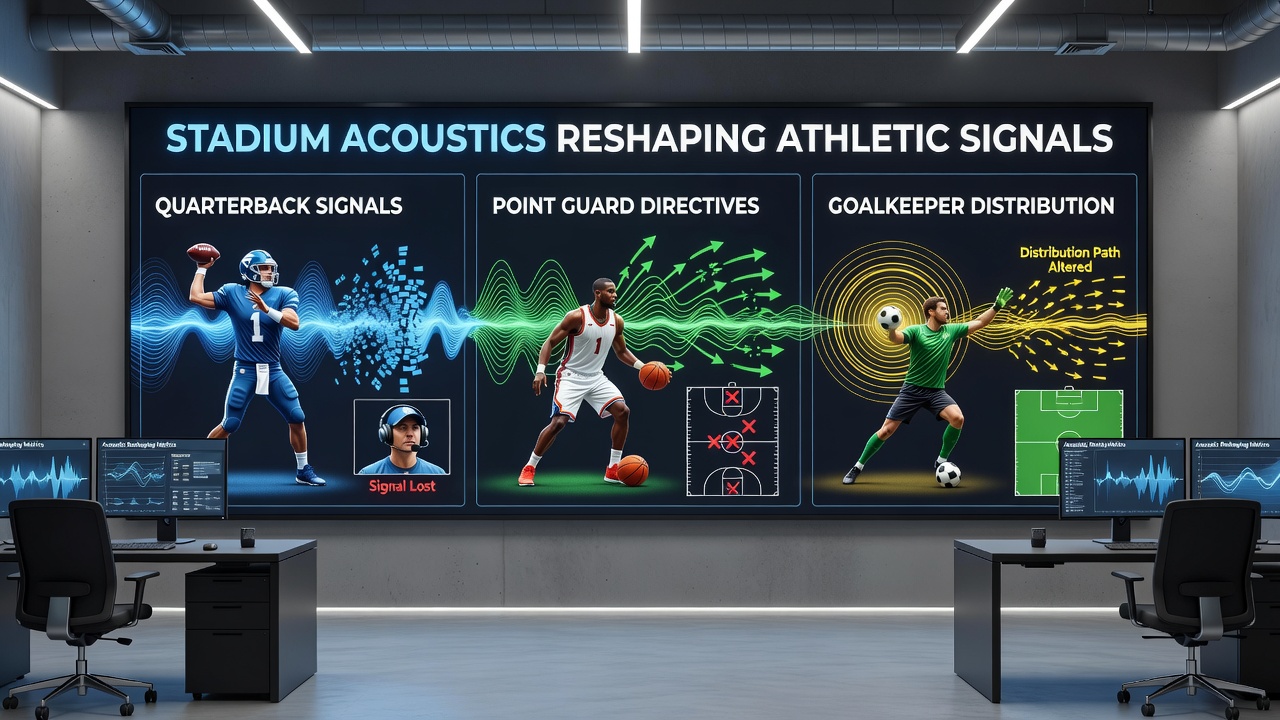
Quarterbacks rely on verbal audibles and hand signals that become less reliable when crowd noise interferes with auditory cues. Studies tracking play-calling accuracy during high-attendance games indicate that teams increase the use of pre-snap motions and silent signals by up to 30 percent compared with lower-attendance contests. Data from the 2025 season demonstrated that offenses operating in louder environments shifted toward more no-huddle approaches that minimize verbal exchanges once the ball is spotted.
Point Guard Directives in Enclosed Arenas
Basketball point guards transmit play calls through verbal commands and visual gestures that encounter similar interference inside NBA arenas. Tracking data from league-wide systems shows elevated rates of miscommunications during fourth-quarter possessions when attendance exceeds 95 percent capacity. Teams have responded by incorporating wristband systems and pre-set hand signals that reduce dependence on spoken instructions, patterns documented across multiple seasons leading into summer 2026 preparations.
Goalkeeper Distributions in Soccer Settings
Goalkeepers in soccer organize defensive lines through shouted instructions that travel across larger pitches. Analysis of Premier League and MLS matches during peak attendance periods indicates that distribution accuracy from the back declines measurably when sustained crowd noise surpasses 100 decibels. Clubs have adapted by emphasizing visual cues from central defenders and pre-match planning that anticipates reduced verbal clarity, trends noted in performance reports covering the 2024-2025 campaigns.
Technological and Tactical Adjustments Observed
Coaching staffs across the three sports have integrated noise-canceling communication devices and refined silent signaling systems. League records from 2025 show increased training time dedicated to non-verbal coordination drills, with football teams logging additional practice repetitions focused on silent cadence work. Basketball programs report similar emphasis on gesture-based play calls while soccer clubs document expanded use of armband signals for set-piece organization. These shifts appear in performance metrics compiled through the early months of 2026.
Environmental and Venue Design Factors
Stadium architecture influences how sound travels and concentrates. Enclosed designs common in many NFL and NBA facilities create reverberation effects that extend noise duration, whereas open soccer grounds allow sound to dissipate more rapidly yet still reach disruptive thresholds during full-capacity events. Data compiled by international sports engineering groups highlights that newer venues incorporate acoustic dampening materials that moderate but do not eliminate communication challenges during peak attendance.
Patterns Emerging in 2026 Schedules
Advance planning for the 2026 seasons incorporates acoustic considerations into game preparation. Training regimens now include simulated crowd noise environments calibrated to recorded venue levels, a practice tracked across multiple professional organizations. Performance tracking systems continue to log correlations between attendance figures and communication error rates, providing datasets that inform ongoing tactical refinements.
Conclusion
Stadium acoustics continue to shape communication protocols in football, basketball, and soccer through documented effects on signal transmission and reception. Quantitative measurements and performance records demonstrate consistent adaptations across leagues, with teams adjusting signaling methods and training protocols in response to measured noise conditions at high-attendance venues. These patterns persist into 2026 as data collection expands and preparation methods evolve accordingly.